

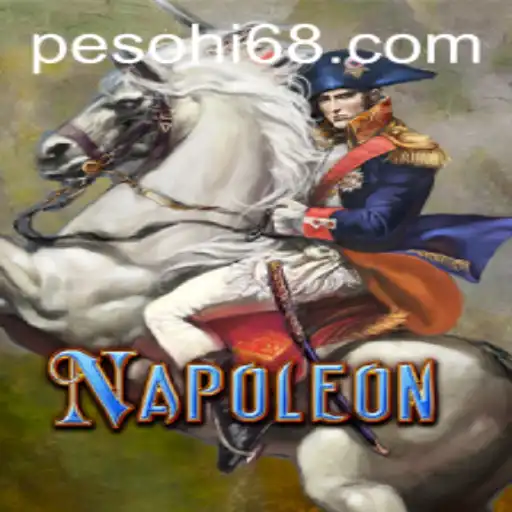

Napoleon, a classic trick-taking card game, has captivated players around the world with its strategic depth and historical allure. This game is not only a test of wit and strategic foresight but also a journey into a rich cultural tapestry that draws on history and gaming traditions.
The card game Napoleon takes its name from the infamous French leader Napoleon Bonaparte. While its exact origins are somewhat elusive, the game is believed to have emerged in Europe in the early 19th century, around the time of Napoleon's reign. It quickly gained popularity in England and subsequently spread to different parts of the world.
Its associations with military strategy and command align perfectly with its eponymous origin. Much like a battlefield, the game board becomes an area of tactical conquest, appealing to those drawn to themes of leadership and conquest.
Napoleon is a game typically played with a standard 52-card deck. Unlike many card games, this one requires a strategic mindset to win the majority of tricks. The game involves a varying number of players, commonly three to seven, making it versatile and adaptable to different social settings.
The game's allure comes from its combination of strategy, chance, and a touch of bravado. Each round offers players the opportunity to take calculated risks and make bold moves, reminiscent of the decisive actions that defined Napoleon the general.
To master Napoleon, players must become familiar with the basic rules and strategic nuances that make it both challenging and rewarding.
The primary aim of Napoleon is to win more tricks than your opponents. Typically, one player acts as the declarer or 'Napoleon,' and the rest of the players aim to thwart this player’s attempts at fulfilling their bid.
Before the game begins, a dealer is selected. The dealer shuffles and deals a predetermined number of cards to each player, starting with the player on their left. The number of cards dealt can vary based on the number of players.
Players then engage in a bidding process to determine who will take on the role of Napoleon for the round. The player who bids the highest number of tricks becomes the Napoleon of that hand. This player must then attempt to win the declared number of tricks to succeed.
The bidding phase is crucial, as it sets the stage for the entire round. Players carefully consider their hand's strengths and weaknesses before making a bid, weighing the potential rewards against the risks involved.
Once the bidding phase concludes, the game progresses into the trick-taking phase. Each player, starting with the player to the left of the dealer, plays a card from their hand. Subsequent players must follow suit if possible, and the player who plays the highest card of the suit wins the trick.
If a player cannot follow suit, they may play any card, potentially utilizing a trump card if one has been declared. Winning a trick allows the player to lead the next round, strategically advancing their position.
Scoring in Napoleon enhances the competitive spirit of the game. If the Napoleon wins the declared number of tricks, they score points, solidifying their victory. Failing to achieve the bid results in a deduction of points, adding an element of risk to each round.
Players keeping track of their scores throughout the game adds an intriguing dynamic, where long-term strategy and adaptation become as important as immediate decisions.
Napoleon remains a beloved card game due to its timeless appeal and adaptability. In today's fast-paced world, games like Napoleon offer a respite—a chance to engage in deep, thoughtful play while connecting with others. Despite the rise of digital entertainment, traditional card games continue to hold their ground, with Napoleon being a prime example.
The game's compelling blend of risk and reward mirrors the uncertainties of real life, making it an excellent metaphorical experience for players young and old alike.
Incorporating current events, the communal aspect of games like Napoleon becomes even more significant. In an era where virtual connections often replace face-to-face interactions, traditional card games offer a medium for people to gather, share stories, and challenge each other's strategic acumen.
The card game Napoleon invites players into a world where history, strategy, and chance intertwine. Its enduring appeal lies in its simplicity, coupled with the depth of strategy required to master it. Whether playing with friends on a quiet evening or introducing the game to new enthusiasts, Napoleon continues to captivate the imaginations of those who engage with its timeless challenges.

Discover the captivating universe of GoldenTemple, a unique blend of adventure and strategy set in an ancient mystical world. Learn about the game's immersive gameplay, intriguing rules, and its connection to Hi68.COM.

Dive into the thrilling universe of 3ChargeBuffalo, a game that combines strategy, adventure, and the wild West with the technological era of Hi68.COM.

Explore the exciting game of Acrobatics, its rules, and its introduction, with references to Hi68.COM and current events in the world of gaming.

Dive into the vibrant world of MassiveLuck, an online game gaining traction in the digital realm. Exploring its fresh mechanics and intriguing rules, the game's partnership with Hi68.COM ensures a unique gaming experience.

An in-depth exploration of AllWilds, the game that's taking the online world by storm, with insights into its features and rules.

Discover YoDragon, an immersive gaming experience intertwining mythical adventures and strategic gameplay. Unveil its rules, gameplay, and how current events influence the gaming world.
